
The five minutes that save a boiler in November
Pressure, bleed, filter, flue, log. Five checks in October that have cut our winter heating call-outs by two thirds.
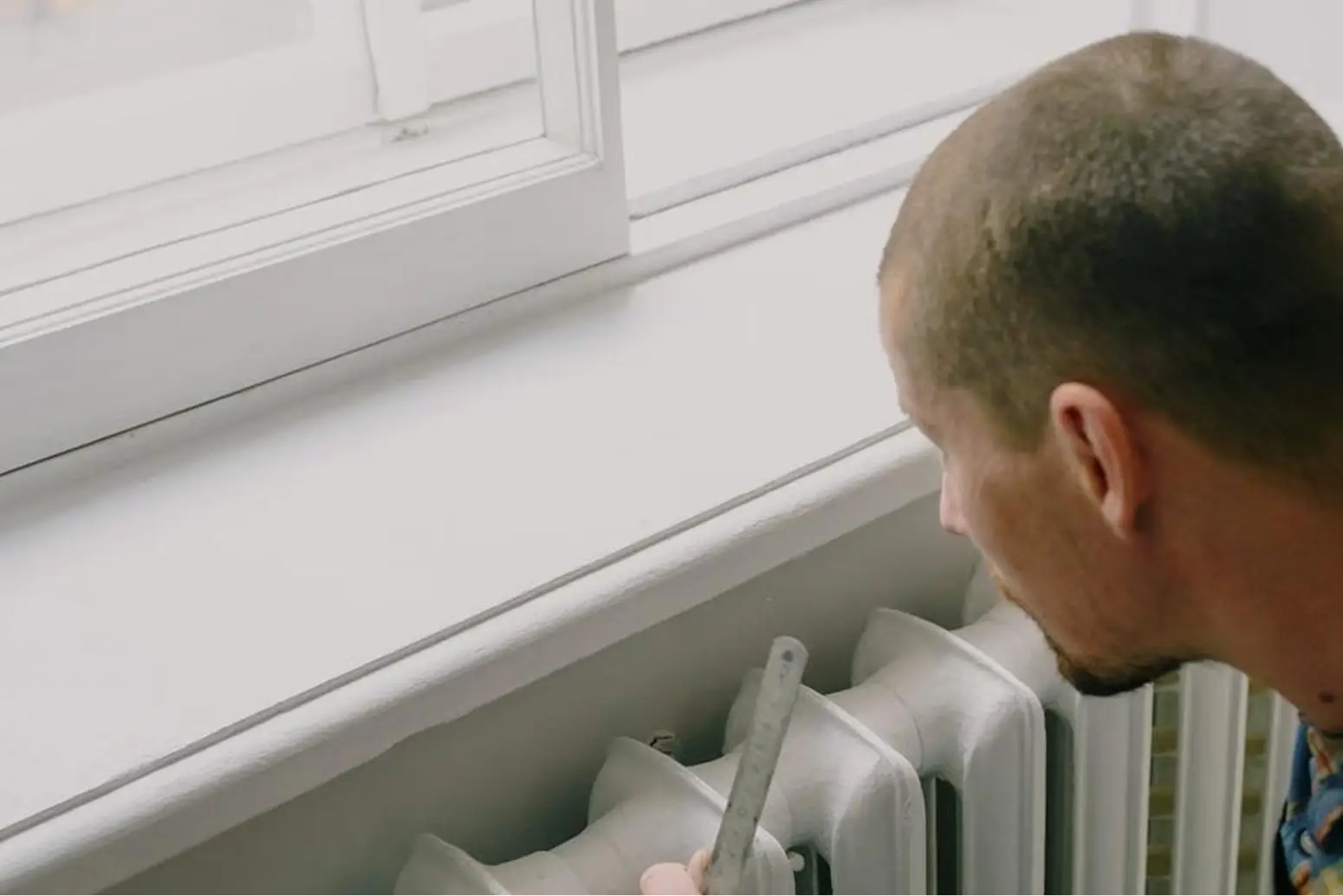

A maintenance round is not a tidy-up with a clipboard. It is ninety-five minutes of looking at the parts of a house that only fail when nobody has looked at them for two years.
We run about fourteen hundred of them a year across nine boroughs. Every one ends with a written note: what was done, what was found, what is being watched. Eleven years of those notes turn into a fairly boring conclusion — the same nine things account for most of what goes wrong in a London house, and almost all of them announce themselves long before they break.
The first thing is always water
Six out of every ten faults we log start with water going somewhere it was not meant to. Not floods — seeps. A waste connection weeping a teaspoon a day under a basin. A shower tray whose sealant has gone chalky at one corner. A gutter joint that only fails in sideways rain, which is why nobody ever sees it happen.
None of that is dramatic on the day. It becomes dramatic eighteen months later when a chipboard floor has quietly turned to porridge and the ceiling below has started to bloom.
“Almost nothing fails suddenly. If somebody looks every month, none of it ever becomes a job.”
Marcus Ilott, lead maintenance
Doors tell you about the building
A door that has started to catch on its latch is rarely a door problem. It is usually the frame telling you that something under it has moved — settlement, a wet joist end, a floor that has taken on moisture over a wet autumn.
So we check every internal door on every round, and we write down which ones have shifted since last time. Three consecutive readings in the same direction and we go looking under the floor rather than planing the door.
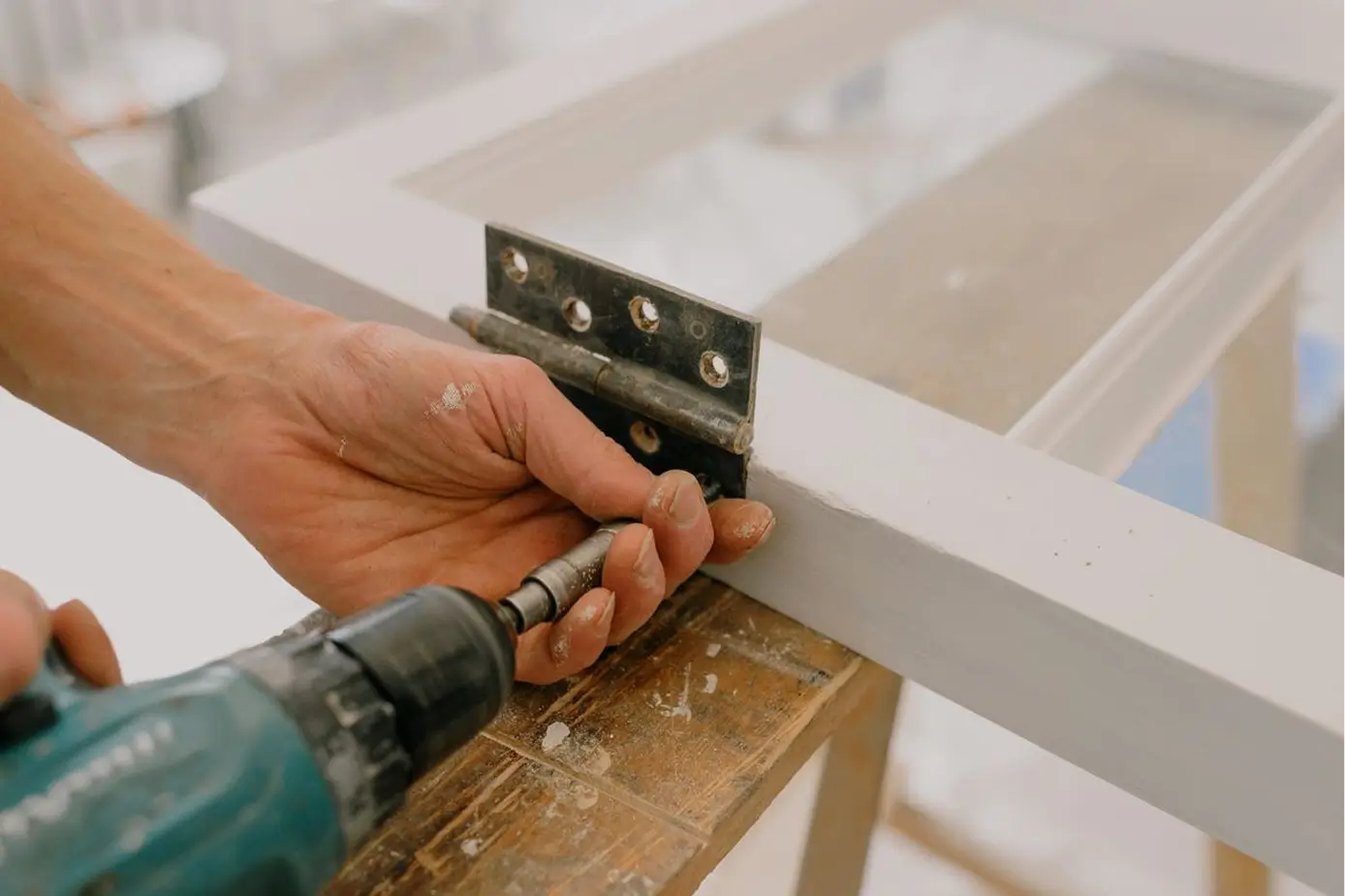
Hinge adjusted in September on a house in N5. The same window had been binding for two winters before the household mentioned it.
What we photograph, and why
Everything that changes gets a photograph, taken from the same spot each time. A crack that has not moved in four years is a settled crack and nothing to worry about. The same crack photographed in March and again in November, three millimetres wider, is a conversation with a structural engineer.
Without the photographs it is all memory, and memory is generous. Households remember that something “has always been like that”. The file usually disagrees.
The five-minute fixes
Seventy-eight per cent of what we find is put right on the same visit, because the parts that fail most often live on the van. There is no call-out, no return trip and no line on an invoice.
- 01 Waste connections — re-seated and re-sealed, two minutes, before the cupboard floor goes.
- 02 Sealant lines — cut out and replaced at the first sign of chalking, not after the mould.
- 03 Hinges and latches — adjusted and lubricated, then logged so we can see the drift.
- 04 Extractor filters — washed or replaced; a blocked one is why the bathroom keeps sweating.
- 05 Radiator bleeding — done in autumn, which is why the heating never becomes an emergency.
What a round actually saves
We do not claim it is free money. A standing maintenance round costs from £180 and most houses have twelve of them a year. What it buys is the absence of the four-figure jobs: the floor that had to come up, the ceiling that had to come down, the boiler that failed on the coldest weekend because nobody had looked at the pressure since March.
Across the houses we have kept for five years or more, the average unplanned repair bill is under three hundred pounds a year. That is the whole argument, and it is the only one we make.